Matcha’s Caffeine Content: Unveiled!
Unveiling the Caffeine Mystery: Does Matcha Contain Caffeine?
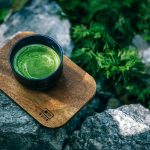
Matcha, the vibrant green powder traditionally found in Japanese tea ceremonies, has been gaining popularity in the Western world for its unique flavor and potential health benefits. But one burning question remains for many matcha enthusiasts: does matcha contain caffeine? Let’s delve into this intriguing topic to uncover the truth behind matcha and its caffeine content.
The Origins of Matcha
Before we dive into the caffeine content of matcha, let’s take a brief journey into its origins. Matcha is a type of green tea that has been stone-ground into a fine powder. This process dates back to ancient Japan, where matcha was used in traditional tea ceremonies known as Chanoyu.
Unlike regular green tea, where the leaves are steeped in hot water and then discarded, matcha powder is whisked into the water, allowing the drinker to consume the entire leaf and all its nutrients.
Understanding Caffeine
Caffeine is a natural stimulant that belongs to a group of compounds called xanthines. It is commonly found in coffee, tea, and chocolate. Caffeine works by blocking the effects of adenosine, a neurotransmitter that relaxes the brain and makes you feel tired.
Many people rely on caffeine to help them stay awake and alert, making it one of the most widely consumed psychoactive substances in the world. But how does matcha fit into this caffeine narrative?
The Caffeine Content of Matcha
To answer the burning question – yes, matcha does contain caffeine. However, the caffeine content in matcha is not as straightforward as you might think. The caffeine in matcha is different from that in coffee because it is bound to larger molecules called catechins.
When you consume matcha, the caffeine is released into your bloodstream slowly over time, providing a more sustained energy boost compared to the rapid spike and crash associated with coffee. This unique combination of caffeine and other compounds in matcha is thought to promote a sense of calm alertness without the jitters often experienced with coffee.
Breaking Down the Caffeine Levels
The caffeine content in matcha can vary depending on several factors, including the quality of the tea leaves, where they are grown, and how the matcha powder is prepared. On average, one serving of matcha (about one teaspoon of powder) contains approximately 35 milligrams of caffeine.
Compare this to a cup of coffee, which can contain anywhere from 70 to 140 milligrams of caffeine per serving, and you can see why matcha is often touted as a healthier alternative for those looking to cut back on their coffee consumption.
Enjoying Matcha Mindfully
Whether you’re a matcha aficionado or a curious newcomer, it’s essential to enjoy matcha mindfully and incorporate it into a balanced diet. While matcha does contain caffeine, its unique properties and potential health benefits make it a welcome addition to any wellness routine.
So, the next time you sip on a frothy matcha latte or savor a delicate matcha pastry, remember that you’re not just indulging in a trendy drink – you’re participating in a centuries-old tradition that continues to captivate taste buds around the world.
In conclusion, matcha does contain caffeine, but its nuanced caffeine profile and rich history set it apart from other caffeinated beverages. Embrace the matcha craze with a newfound appreciation for this vibrant green powder and all it has to offer.
We are a participant in the Amazon affiliate program, which was designed to provide a medium for websites through which fees can be earned by placing affiliate links to amazon.com.