The Health Impact of Peanut Butter and Jelly Sandwiches: What You Need to Know
In the realm of quick and easy lunches, few creations rival the iconic peanut butter and jelly sandwich. Loved by children and adults alike, this classic combination of spreadable goodness has been a staple in lunch boxes for generations. But the question remains: are peanut butter and jelly sandwiches actually healthy? Let’s delve into the nutritional aspects of this beloved sandwich to uncover the truth.
The Peanut Butter Powerhouse
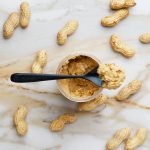
One of the key ingredients in a peanut butter and jelly sandwich is, you guessed it, peanut butter. Peanut butter is a popular spread made from dry-roasted peanuts, typically blended to create a smooth and creamy texture. It is a good source of protein, healthy fats, vitamins, and minerals, making it a nutritious choice for a balanced diet.
Protein Punch
Peanut butter is packed with protein, which is essential for building and repairing tissues in our bodies. Protein is also important for maintaining muscle mass and promoting satiety, helping you feel full and satisfied after a meal. Just two tablespoons of peanut butter contain around 7-8 grams of protein, making it a convenient and tasty way to boost your protein intake.
Healthy Fats
While peanut butter does contain fats, the majority of these fats are the heart-healthy unsaturated kind. These fats can help reduce the risk of heart disease and lower bad cholesterol levels when consumed in moderation. The monounsaturated and polyunsaturated fats found in peanut butter also play a role in supporting brain health and aiding in the absorption of fat-soluble vitamins like vitamin E.
Nutrient-rich Goodness
In addition to protein and healthy fats, peanut butter also contains an array of essential vitamins and minerals. It is a good source of vitamin E, an antioxidant that helps protect cells from damage, as well as magnesium, which is important for muscle function and energy production. Peanut butter also provides a dose of potassium, which is essential for maintaining healthy blood pressure levels.
The Scoop on Jelly
The other half of the peanut butter and jelly equation is, of course, jelly. Jelly, or jam as it is known in some regions, is a fruit spread made from fruit juice, sugar, and pectin. While jelly can add sweetness and flavor to a sandwich, it is important to be mindful of its nutritional content.
Sugar Content
One of the main concerns with jelly is its sugar content. Many commercial jellies are loaded with added sugars, which can contribute to empty calories and spike blood sugar levels. Consuming excessive amounts of added sugars has been linked to various health issues, including obesity, type 2 diabetes, and heart disease. Opting for natural fruit spreads or making your own jelly with minimal added sugar can help reduce the overall sugar content of your peanut butter and jelly sandwich.
Vitamin C Boost
On the bright side, jelly can provide a source of vitamin C, especially if it is made from fruits such as strawberries, raspberries, or oranges. Vitamin C is an important antioxidant that supports immune function, helps with iron absorption, and promotes healthy skin. While jelly may not be as nutrient-dense as whole fruits, it can still contribute some essential vitamins to your diet when consumed in moderation.
The Balance is Key
When it comes to the overall nutritional profile of a peanut butter and jelly sandwich, balance is key. While peanut butter provides protein, healthy fats, and essential nutrients, and jelly can offer a sweet touch and some vitamins, it is important to consider the sandwich as a whole.
Moderation is Key
Peanut butter and jelly sandwiches can be part of a healthy diet when consumed in moderation and as part of a balanced meal plan. Opting for natural peanut butter without added sugars or hydrogenated oils can enhance the nutritional value of the sandwich. Pairing your sandwich with a side of fresh fruits or vegetables can help round out the meal and increase its overall nutrient content.
Nutritional Alternatives
For those looking to switch things up, there are plenty of creative and nutritious alternatives to the classic peanut butter and jelly sandwich. Consider using whole grain bread for added fiber and nutrients, swapping jelly for sliced fresh fruits like bananas or berries, or adding a sprinkle of chia seeds for an omega-3 boost. Experimenting with different nut or seed butters, such as almond butter or sunflower seed butter, can also introduce new flavors and nutritional benefits to your sandwich repertoire.
The Bottom Line
In conclusion, peanut butter and jelly sandwiches can be a healthy and satisfying choice when made with wholesome ingredients and consumed as part of a balanced diet. While peanut butter offers protein, healthy fats, and essential nutrients, and jelly can provide sweetness and some vitamins, it is important to be mindful of portion sizes and added sugars. By exercising moderation, choosing nutrient-dense ingredients, and incorporating a variety of foods into your diet, you can enjoy the timeless delight of a peanut butter and jelly sandwich without compromising your health goals. So go ahead, spread the love with a classic PB&J, knowing that you are nourishing both your body and your taste buds.
We are a participant in the Amazon affiliate program, which was designed to provide a medium for websites through which fees can be earned by placing affiliate links to amazon.com.